
Characteristics of Architecture in the Bahamas
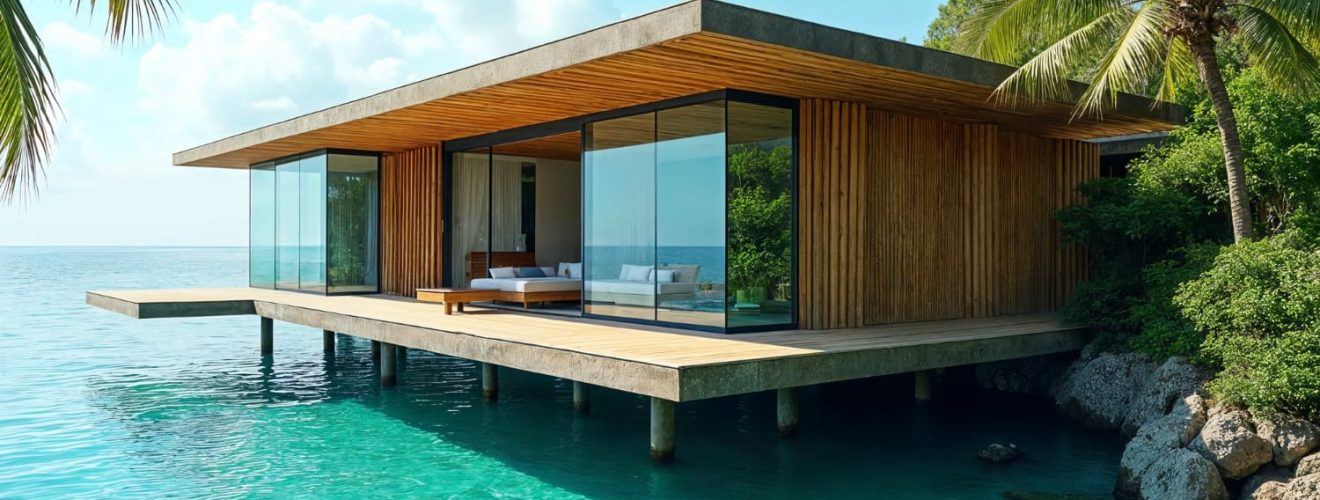
Understanding construction in island contexts requires a deep look at the environmental conditions that shape every structure from its very conception. The tropical setting imposes clear rules that designers and builders must follow to ensure not only the comfort of occupants, but the very survival of buildings against natural forces. In the case of the Bahamian archipelago, the combination of intense sun, high humidity, constant salty breezes, and the recurring threat of hurricanes has shaped a distinctive construction language that responds ingeniously to a harsh climate. Every structural decision, no matter how small it may seem, serves a functional purpose within this built ecosystem.
The history of construction on these islands reflects a process of continuous learning, where ineffective techniques were discarded over time by nature itself. Early settlements used wood and local coral stone, materials that set the tone for ventilation, elevation, and aerodynamic resistance. Over the years, a design approach emerged that balances climatic efficiency with a unique, lightweight aesthetic that remains in dialogue with the Caribbean landscape. This practical tradition continues to inspire contemporary proposals that reinterpret local knowledge to address current challenges.
The Direct Impact of the Tropical Climate on Structural Design
The driving force behind building decisions in these latitudes is thermal management combined with protection against extreme weather. The search for passive solutions to combat heat led to homes being elevated on stilts, a technique that protects against storm surge flooding while allowing air to circulate beneath the structure. This natural ventilation helps cool lower surfaces and reduces indoor humidity, improving overall living conditions. At the same time, elevation acts as a barrier against pests and enhances structural durability.
Roof design plays a central role as the first line of defense against both sun and extreme winds. Hip roofs with steep slopes help deflect strong gusts and reduce the suction forces that can tear off flat roofs during severe storms. The interior height created by these sloped roofs acts as a thermal buffer, allowing hot air to rise and escape through upper openings, keeping living spaces cooler without relying on mechanical systems. This balance between form and function is a constant in local architecture, resulting in simple yet highly effective climate-responsive solutions.
Durable Materials Adapted to Extreme Conditions
Material selection directly determines the longevity of any project in a saline environment. Traditionally, woods such as yellow pine and cedar were used for their resistance to insects and decay—essential qualities in humid climates. With advancements in techniques and regulations, reinforced concrete blocks have become dominant due to their strength against hurricane debris and their thermal mass properties. At the same time, reinforcements are treated with anti-corrosion coatings or specialized alloys to minimize salt-induced degradation and preserve structural integrity over time.
Local limestone is another valued resource due to its thermal inertia and aesthetic contribution to walls. This material absorbs heat during the day and releases it at night, helping stabilize indoor temperatures without additional energy use. For roofing and exterior cladding, standing seam metal sheets have largely replaced traditional tiles, offering waterproofing, wind resistance, and efficient rainwater collection. This water, once captured and filtered, is stored in cisterns integrated into the building design—an essential feature on islands without rivers or natural freshwater sources.
Historical Roots and Cultural Evolution of Caribbean Residential Design
The visual character of buildings is the result of layered cultural influences accumulated over centuries. Settlers from New England introduced timber construction techniques with overlapping cladding, which had to be adapted to the new climate by opening up façades and prioritizing ventilation. This adaptation process brought domestic architecture closer to local solutions where functionality guided aesthetic decisions. Maritime carpentry knowledge contributed by shipbuilders influenced joinery details and finishes that are now distinctive features of the region.
The local color palette, dominated by pastel tones that reflect rather than absorb light, contributes both to visual comfort and collective identity. Colors such as soft pink, turquoise blue, pale yellow, and gentle greens are common on façades and exterior elements, creating urban landscapes that harmonize with vegetation and the sea. This chromatic approach is not purely aesthetic—it also reduces thermal stress and fosters a sense of belonging among residents. Contemporary projects preserve this visual memory while integrating it into more restrained forms and modern materials without losing connection to tradition.
A Seamless Transition Between Indoor and Outdoor Spaces
Living in a mild climate for most of the year encourages a rethinking of the boundary between indoors and outdoors. Wide wraparound porches act as buffer zones that shade façades and reduce direct heat gain, improving indoor comfort without heavy reliance on artificial cooling. These covered galleries serve as everyday living spaces where multiple activities take place outdoors while being protected from sun and rain. Their presence reshapes domestic life, allowing residents to fully embrace the climate for social and leisure activities.
To manage light and ventilation without compromising safety, adjustable louvers and shutters are commonly used to regulate airflow and soften solar radiation. Hinged shutters can be angled to deflect rain while directing breezes indoors, optimizing cross ventilation. When closed, they provide security and protection against extreme weather events. The adaptability of these elements shows how traditional solutions remain relevant when combined with modern materials and improved hardware.
Sustainability Strategies for Today’s Climate Challenges
The urgency to reduce energy consumption and emissions has led to a reassessment of systems introduced in the 20th century that relied heavily on mechanical cooling. Building orientation and layout are now carefully studied to minimize solar gain on exposed façades and to maximize the use of soft natural light. Designing for cross ventilation and balancing thermal mass with openings allows interiors to remain comfortable through passive means. These strategies lower operational costs and reduce dependence on fossil fuels in island environments.
Water supply is another critical factor shaping construction decisions from roof design to storage systems. Roofs function as large rain collectors and require non-contaminating materials and easy-to-maintain gutters to ensure water quality. Underground cisterns are sized according to rainfall patterns and expected consumption, and their integration into the structure can add stability against strong winds. Maintaining rainwater systems is often a shared community practice that strengthens local resilience.
Renewable Energy and Passive Cooling Systems
Consistent solar radiation presents a clear opportunity to integrate photovoltaic systems from the early design phase, ensuring that panel placement and anchoring can withstand extreme wind events. Solar thermal systems for water heating significantly reduce electricity demand in homes and hospitality settings, taking advantage of stable climatic conditions. Combining distributed generation with energy storage allows communities to reduce dependence on vulnerable grids and improve energy autonomy during emergencies. These solutions, however, require careful design to ensure structural safety and ease of maintenance.
In terms of insulation, radiant barriers and reflective materials under roofing, along with low-emissivity glazing and thermally broken frames, help maintain stable and dry interiors. These systems reduce the workload of air conditioning units when they are necessary, lowering overall energy consumption. The goal is to combine advanced materials with traditional passive strategies to achieve long-term performance without compromising durability or aesthetics. Efficiency is understood as an integrated approach rather than a collection of isolated systems.
Professional Responsibility and Challenges in Modern Coastal Development
Rising sea levels and increasingly intense storms are testing regulatory frameworks and planning practices that must evolve rapidly. Designing along coastlines requires sensitivity to fragile landscapes such as dunes and mangroves, which act as natural defenses protecting properties from erosion. Responsible intervention combines limits on land use with soft solutions that restore and reinforce natural systems. The ecological environment must be considered an integral part of any long-term viable project.
In this context, the role of design firms takes on both ethical and technical significance. Qualified professionals work to balance real estate development with environmental protection and cultural continuity. Specialized firms like Ezlo Architects emphasize that revisiting the principles of the bahamian architecture allows for more logical and resilient urban development. Integrating tradition with modern technology enables projects where comfort and safety coexist with locally rooted sustainable practices.
Preserving Ecosystems Through Responsible Construction Techniques
The construction phase is just as critical as the design itself in ensuring minimal environmental impact. Low-impact methods that reduce earth movement and avoid intensive extraction help preserve natural drainage and soil fertility. Solutions such as helical micropiles or isolated footings limit ground sealing and allow for more respectful interventions that protect root systems and permeable soil layers. These foundation techniques reduce the physical footprint and minimize disruption to the site’s natural dynamics.
Training local labor and adopting stricter construction standards are essential for building long-term resilience. Details such as properly accommodating thermal expansion between materials or protecting metal fixings against corrosion require skilled craftsmanship and consistent oversight. Promoting maintenance protocols and inspection systems extends the lifespan of buildings and reduces the need for costly corrective interventions. Responsible construction relies not only on good design ideas but also on careful and sustained building practices.